Market Daily

The International Monetary Fund (IMF) 2026 Outlook Persistent U.S. Inflation Signals Prolonged Restrictive Federal Policy

The International Monetary Fund (IMF) 2026 Outlook: Persistent U.S. Inflation Signals Prolonged Restrictive Federal Policy

The International Monetary Fund released its latest World Economic Outlook on April 14, 2026, under the title “Global Economy in the Shadow of War.” This comprehensive report details a significant transition in the global financial environment, primarily influenced by ongoing conflicts in the Middle East. While many nations have made progress in stabilizing their domestic economies, the report identifies a widening gap between the United States and other advanced economies regarding the pace of disinflation and the subsequent direction of monetary policy. Adjustments to Global Growth and Inflationary Pressures The IMF revised its global growth expectations for 2026, lowering the forecast to 3.1%. This figure represents a slowdown from the 3.4% growth estimated for 2025. This cooling of the global economy is largely tied to logistical and production disruptions in the Persian Gulf. These regional instabilities have pressured global supply chains, leading to a projected 19% increase in energy commodity prices. As energy costs remain a primary driver of consumer prices, global headline inflation is projected to climb to 4.4% in 2026. While the IMF anticipates a downward trend resuming in 2027, the immediate future presents a challenging environment for central banks attempting to balance growth with price stability. The

Business

editors' top picks

Consumer Expectations Index Falls to 70.9, Below Recessionary Threshold for 14th Consecutive Month

Consumer Expectations Index Falls to 70.9, Below Recessionary Threshold for 14th Consecutive Month

March 2026 Conference Board data shows a deepening divergence between how Americans view the present economy and where they expect it to go — a split that carries direct implications for consumer spending, the Federal Reserve’s rate path, and Q2 market positioning. The Conference Board released its March 2026 Consumer Confidence data on Tuesday, and the headline number — a modest uptick to 91.8 from February’s 91.0 — does not capture what the report actually contains. Beneath the surface, the Expectations Index dropped another 1.7 points to 70.9, marking the 14th consecutive month the sub-index has remained below 80.0 — the threshold that has historically signaled an approaching recession within the following 6 to 12 months. The index has been below 80 since February 2025, and the Conference Board’s own historical analysis shows the average Consumer Confidence reading at the start of U.S. recessions is 101.9 — a level the headline index has not sustained since early last year. The March data was collected entirely during the U.S.-Iran war and reflects consumer psychology shaped by two simultaneous shocks: energy price acceleration and persistent tariff-driven cost pressure. The data paints a picture not of consumer collapse but of something more analytically

OECD Warns U.S. Inflation Could Hit 4.2% in 2026 — Far Above the Fed's 2.7% Estimate

OECD Warns U.S. Inflation Could Hit 4.2% in 2026 — Far Above the Fed’s 2.7% Estimate

The credibility gap between official Federal Reserve projections and independent institutional forecasts has never been wider. On Thursday, the Organization for Economic Cooperation and Development released its March 2026 interim economic outlook — and what it contained was a direct challenge to the monetary policy assumptions that have been guiding markets since the start of the year. The OECD forecast all-items inflation in the U.S. at 4.2% for 2026 — a sharp step up from its prior projection of 2.8%, and well above the 2.7% Fed officials estimated when they updated their own forecasts last week. The differential is not a rounding error. It is a 155 basis point spread between what the world’s most widely cited multilateral economic body believes will happen and what the institution charged with managing U.S. price stability is projecting. For investors, fixed income traders, and corporate planners working off Fed guidance, the divergence carries significant operational implications. Two Drivers, One Very Large Problem The OECD’s Interim Economic Outlook, titled “Testing Resilience,” identifies the recent major disruption to global energy and commodity markets as the primary catalyst. The halt in shipments through the Strait of Hormuz and the closure and damage of some energy infrastructure

S&P 500 Rallies on Peace Talks — But Recession Probability Hits 48.6%, Moody's Warns

S&P 500 Rallies on Peace Talks — But Recession Probability Hits 48.6%, Moody’s Warns

Stocks jumped Wednesday as oil prices pulled back and traders weighed the possibility of a diplomatic resolution to the energy shock that has rattled markets for the better part of a month. The Dow Jones Industrial Average gained 305.43 points, or 0.66%, closing at 46,429.49. The S&P 500 rose 0.54% to 6,591.90, and the Nasdaq Composite advanced 0.77% to end at 21,929.83. The S&P 500 advanced for a second consecutive session this week as diplomatic signals raised cautious hopes for a reduction in energy market disruptions. Brent crude settled around $102 a barrel. Treasuries pared their March losses. Gold climbed. Wednesday’s session was, by any conventional measure, a good day for equities. But experienced portfolio managers know to read the tape carefully when relief rallies arrive in the middle of deteriorating fundamentals. The index gains are real. So is everything building beneath them. Recession Probability Is No Longer a Tail Risk — It Is the Central Debate For much of the past two years, recession probability models operated in a band near or below the 20% baseline that economists treat as ambient risk in any given 12-month window. That baseline has now been surpassed — significantly — across every major

S&P 500 Posts Best Day in Five Weeks as Oil Prices Retreat

S&P 500 Posts Best Day in Five Weeks as Oil Prices Retreat

U.S. stocks saw a large rally on Monday, March 16, 2026, as the S&P 500 rose 1.11% to reach 6,706 points. This trading session provided the most significant growth for the major indices in more than five weeks. The market moved higher because oil prices fell by about 4% and new reports suggested that geopolitical tensions in the Middle East might be starting to ease. Investors showed a renewed interest in stocks as the Dow Jones Industrial Average grew by 471 points and the tech-heavy Nasdaq increased by 1.28%. A Relief for Energy Prices The main reason for the market’s positive move was a sharp drop in the cost of oil. For several weeks, the price of energy had been rising quickly due to the conflict involving Iran and the closure of the Strait of Hormuz. However, on Monday, the price of West Texas Intermediate (WTI) crude oil fell from nearly $100 down to $94.75 per barrel. Brent crude, which is the international standard, also dropped to around $101.52 per barrel after it had reached a high of $106.50 earlier in the day. This decline in energy costs is important because high oil prices often lead to inflation. When oil

Fed Rate Cuts Delayed as Goldman Sachs Warns of Persistent Inflation

Fed Rate Cuts Delayed as Goldman Sachs Warns of Persistent Inflation

Goldman Sachs has officially changed its prediction for when the Federal Reserve will start cutting interest rates. While many experts previously hoped for a cut in June, the bank now believes the first reduction won’t happen until September 2026. This delay is mostly because of new risks from the war between the U.S. and Iran, which has caused oil prices to spike and pushed inflation higher than expected. By pushing the timeline back, Goldman signals that the “higher-for-longer” interest rate environment is likely to stay with us through the summer. The Conflict and the Oil Shock The primary reason for this change is the ongoing geopolitical crisis in the Middle East. War often leads to uncertainty, but this specific conflict has directly hit global energy markets. Oil prices have surged as traders worry about supply blocks in the Strait of Hormuz. Goldman Sachs strategists now expect Brent crude oil to average around $98 per barrel in March and April. When oil prices go up, almost everything else becomes more expensive. This is because it costs more to transport goods to stores and more to run factories. Goldman estimates that for every 10% increase in oil prices, “headline” inflation—which includes food

How Increased Imports Benefit the U.S. Economy

How Increased Imports Benefit the U.S. Economy

Increased imports benefit the U.S. economy by lowering prices for families, providing essential raw materials for American factories, and supporting millions of jobs in the logistics, retail, and transportation sectors. While trade deficits are often discussed in the news, high import volumes in 2026 actually reflect a strong and resilient American consumer. By allowing businesses to source the best-priced components globally, imports help keep U.S. manufacturing competitive and ensure that high-tech industries, like artificial intelligence (AI) and electric vehicles, have the equipment they need to grow. Lower Prices for American Families The most direct benefit of imports is the money they save for everyday people. When the U.S. brings in clothing, electronics, and toys from other countries, it increases competition. This competition forces prices down. In early 2026, even with shifting trade policies, nonfuel import prices have remained relatively stable, helping to keep overall inflation near five-year lows. Without these imports, many goods would be much more expensive. For example, a 2026 report on tariff impacts found that when trade is restricted, nearly 90% of the extra cost is paid by U.S. firms and consumers. By keeping trade lanes open, the U.S. economy ensures that a worker’s paycheck can buy

Bank of America Hires Veteran Tech Bankers from Goldman and JPMorgan for TMT Growth

Bank of America Hires Veteran Tech Bankers from Goldman and JPMorgan for TMT Growth

Bank of America has officially hired four veteran technology investment bankers to lead its Technology, Media, and Telecommunications (TMT) division, signaling a major push to dominate the next wave of tech deals. These high-profile hires include Gary Kirkham from Centerview Partners, Jason Rowe from Goldman Sachs, and Mahir Zaimoglu and Patrik Czornik from JPMorgan Chase. This strategic move aims to replace senior leaders who recently left the firm and to position the bank as a top advisor for an expected increase in tech mergers, acquisitions, and initial public offerings (IPOs) in 2026. Strengthening the Leadership Team The recruitment of these four experts is a direct response to a “talent war” currently happening on Wall Street. Bank of America is focused on bringing back experienced dealmakers who have deep relationships with Silicon Valley and European tech hubs. Gary Kirkham is returning to the firm as Executive Vice Chair after a successful time at Centerview Partners. His role will be broad, covering multiple sectors within technology. Joining him is Jason Rowe, who moves from Goldman Sachs to become the Global Co-Head of Technology Investment Banking. By using a co-leadership model, the bank hopes to ensure institutional stability and better succession planning for

Entrepreneur

U.S. Labor-Force Shrinkage Signals Trouble Even as Unemployment Remains Low

U.S. Labor-Force Shrinkage Signals Trouble Even as Unemployment Remains Low

The unemployment rate remains at 4.4 percent, and on its face that number looks manageable. But the headline figure is increasingly doing the work of concealing a labor market that is contracting in ways that do not show up in the official count — and the structural forces driving that contraction are not temporary. February’s jobs report from the Bureau of Labor Statistics laid out the picture in plain data: nonfarm payrolls fell by 92,000, marking the third decline in five months. The labor force participation rate dropped to 62.0 percent, its lowest since December 2021. The employment-population ratio fell to 59.3 percent. And yet the unemployment rate barely moved. The disconnect is not an anomaly. It is a structural feature of how labor force contraction works — and why analysts who look only at unemployment risk missing what is actually happening to the American workforce. When Workers Leave, the Rate Stays Low The unemployment rate measures people who are out of work and actively looking for a job. When people stop looking — whether from discouragement, disability, early retirement, or withdrawal from the market for any other reason — they leave the denominator of the unemployment rate entirely. The

How Health Drinks Have Become a Gold Mine for Entrepreneurs

How Health Drinks Have Become a Gold Mine for Entrepreneurs

Health drinks have become a central part of the wellness economy, reflecting consumer interest in nutrition, convenience, and healthier lifestyles. From kombucha and coconut water to protein shakes and plant-based smoothies, the variety of options has expanded rapidly. According to Market Daily, this surge in demand has created a profitable opportunity for entrepreneurs who can meet consumer expectations for both taste and health benefits. The appeal of health drinks lies in their ability to combine function with convenience. Busy consumers often look for quick solutions that support energy, hydration, or recovery. Health drinks meet these needs while aligning with broader wellness trends, making them attractive alternatives to traditional sodas or sugary beverages. This shift is not limited to one demographic. Young professionals, fitness enthusiasts, and even older adults are turning to health drinks as part of their daily routines. The broad appeal has helped the market grow steadily, creating space for both established brands and new entrants. Innovation Driving the Market Entrepreneurs have found success by innovating within the health drink category. Some focus on functional beverages that include added vitamins, probiotics, or adaptogens, while others highlight natural ingredients and sustainable sourcing. The Statsndata analysis notes that plant-based and functional

Why Versatile Laptops Work Best for Home-based Entrepreneurs

Why Versatile Laptops Work Best for Home-based Entrepreneurs

For home-based entrepreneurs, a versatile laptop, specifically a 2-in-1 convertible or a high-performance ultraportable, is the ideal tool because it combines the power of a desktop with the flexibility needed for a multi-functional workspace. Unlike traditional laptops, versatile devices allow business owners to switch instantly between work mode for tasks like accounting and presentation mode for video calls or digital sketching. In a 2026 survey of 500 remote business owners, 84% of respondents reported that using a device with a touchscreen and 360-degree hinge improved productivity when moving between different areas of the home. The Need for Space-Shifting Hardware Home-based entrepreneurs rarely stay in one spot. One hour involves working at a dedicated desk, the next takes place at the kitchen table, and later tasks might move to a couch for reviewing a contract. A versatile laptop supports this space-shifting lifestyle perfectly. According to hardware analyst Sarah Jenkins from TechStream Insights, the hardware market has shifted to meet this demand. “Market data shows a massive move toward devices that do not force the person to choose between a tablet and a PC,” Jenkins says. “For someone running a business from home, the ability to flip a screen over to show

Entrepreneurs and the Shift to Energy-Efficient Operations

Entrepreneurs and the Shift to Energy-Efficient Operations

The modern business world is changing as more entrepreneurs focus on sustainability. In the past, running a business often meant using a lot of energy and creating significant waste. Today, many business leaders are moving toward energy-efficient operations. This shift is not just about helping the environment; it is also a strategic business decision. By reducing energy use, companies can lower their monthly costs and attract customers who care about the planet. The Financial Benefits of Efficiency One of the primary reasons entrepreneurs choose green technology is the potential for long-term savings. While new equipment can be expensive at first, the reduction in utility bills often pays for the investment over time. For example, business owners frequently ask, “how much can a retail business save by installing smart LED lighting” to justify the upgrade. Research shows that switching to smart LEDs can reduce lighting costs by up to 75 percent. These systems use sensors to turn off lights when no one is in a room and adjust brightness based on the amount of natural sunlight available. For a large retail store, this can result in thousands of dollars in savings every year. These extra funds can then be used to

How to Market Your Small Business Online

How to Market Your Small Business Online

When starting a business, having a physical location or a great product is often not enough. To grow, a business must have a strong presence where its customers spend most of their time: the internet. Online marketing can seem complicated, especially for those who are just starting. However, by breaking it down into simple, manageable steps, any small business owner can successfully reach new customers and build a lasting brand. Building a Digital Foundation The first step in marketing a small business online is creating a “digital home.” For most businesses, this is a website. A website does not need to be fancy or expensive, but it must be clear and easy to use on a mobile phone. Many people use their smartphones to search for local services, so if a website is hard to read on a small screen, those customers will likely leave. A good business website should clearly state what the business does, where it is located, and how a customer can get in touch. Adding a “call to action,” such as a “Book Now” or “Contact Us” button, makes it easy for visitors to take the next step. This foundation is essential because all other marketing

Gold Hits Historic Highs Amid Global Uncertainty, But Volatility Persists

Gold Hits Historic Highs Amid Global Uncertainty, But Volatility Persists

Gold prices remain near historic highs in early 2026 as global economic uncertainty, geopolitical tension, and heavy investment demand continue to drive the precious metal’s rally, according to multiple recent market reports and analyst commentary. Spot gold has repeatedly pushed into record territory in recent weeks, with prices climbing above the $5,000-per-ounce threshold and, at times, moving toward new all-time peaks. Analysts say the surge reflects a broad shift toward safe-haven assets amid global instability and currency concerns. Gold recently jumped more than 3% in a single session, driven by persistent economic and geopolitical risk that pushed investors toward traditional defensive assets. Safe-Haven Demand Drives Historic Rally Market experts point to a combination of political uncertainty, trade tensions, and currency pressure as key drivers behind gold’s strong performance entering 2026. Some analysts note that aggressive policy moves and pressure on major currencies have increased investor demand for tangible stores of value such as gold and silver. Economic research cited by global market reports suggests that tariffs, policy uncertainty, and a weakening U.S. dollar were major contributors to gold’s record climb throughout 2025 and into 2026, reinforcing its role as a hedge during periods of financial stress. Industry analysts also highlight

Why Food Stocks Thrive in Tough Markets

Why Food Stocks Thrive in Tough Markets

When broader markets become volatile, food stocks often draw renewed attention for their relative stability. During periods of uncertainty, from economic slowdowns to geopolitical tensions, companies tied to the food sector have a track record of withstanding pressures that affect other industries more deeply. While no stock is completely immune to risk, food companies tend to offer more predictable performance during periods of financial stress. One reason behind this consistency lies in demand. Regardless of economic conditions, people continue to purchase food. Whether shopping at a grocery store in Fresno or picking up staples from a neighborhood shop in Riverside, the need to eat doesn’t go away during a downturn. This steady demand for products—ranging from everyday pantry items to fresh goods—helps keep revenue flowing for many food-related companies. Another factor that supports food stocks is the way they fit into household budgeting. Consumers may change brands, opt for generic labels, or reduce spending on dining out, but basic food consumption tends to remain relatively consistent. Even in challenging environments like the 2008 financial crisis or the early months of the 2020 global pandemic, companies involved in food production, packaging, and distribution saw less disruption than those in sectors like

Stock Market

Compound Interest The Key to Long-Term Wealth Creation

Compound Interest: What Makes Compound Interest So Powerful Over Time?

Compound interest is often described as one of the most effective tools for building long-term wealth. It works by reinvesting earnings so that future returns are generated not just on the original amount, but also on the accumulated gains. This process continues over time, creating a snowball effect that can significantly grow an investment portfolio. While the concept may seem simple, its impact becomes more noticeable the longer it’s allowed to work. Many people feel discouraged when they start investing and don’t see immediate results. It’s understandable to feel impatient, especially when short-term market movements seem more exciting. But compound interest doesn’t reward speed, it rewards consistency and time. The longer the money stays invested and continues to earn, the more dramatic the growth becomes. How Does Compound Interest Actually Work in Practice? To understand compound interest, it helps to look at how it differs from simple interest. With simple interest, earnings are calculated only on the original amount. If someone invests $10,000 at a 5% annual rate, they earn $500 each year. After five years, the total would be $12,500. With compound interest, the earnings are added back to the original amount each year. That same $10,000 at 5%

Hot Topics

Technology

AI and the Environment

AI and the Environment: Understanding the Impact of Artificial Intelligence

Artificial Intelligence (AI) is revolutionizing numerous industries, offering innovations that promise to reshape our world. However, as with any technological advancement, AI’s rapid development and deployment come with significant environmental implications. This article explores the impact of AI on the environment, examining both its potential benefits and challenges. Positive Environmental Impacts of AI AI has the potential to significantly improve energy efficiency across various sectors. By analyzing vast amounts of data, AI systems can optimize energy use in real-time, reducing waste and lowering carbon emissions. For instance, AI-driven smart grids can balance electricity supply and demand more effectively, minimizing energy loss. The integration of AI in renewable energy systems is another promising development. AI algorithms can predict weather patterns with greater accuracy, optimizing the performance of solar panels and wind turbines. This leads to more efficient energy generation and storage, making renewable sources more reliable and cost-effective. In agriculture, AI-powered tools are helping farmers increase crop yields while minimizing environmental impact. Precision agriculture technologies use AI to analyze soil health, weather conditions, and crop requirements. This allows farmers to apply the right amount of water, fertilizers, and pesticides, reducing resource waste and preventing environmental degradation. Negative Environmental Impacts of AI

How AI-AI Driven Predictive Analytics Is Transforming Market Strategies

How AI-Driven Predictive Analytics Is Transforming Market Strategies

AI-driven predictive analytics is no longer a niche tool reserved for data scientists, it’s now a frontline asset in shaping market strategies across industries. From retail and finance to healthcare and media, companies are using predictive models to anticipate customer behavior, forecast demand, and make faster, smarter decisions. The shift isn’t just technical, it’s strategic, cultural, and deeply competitive. Predictive analytics uses machine learning to analyze historical and real-time data, then forecast future outcomes. But when powered by AI, these models become adaptive, learning from new inputs and refining predictions on the fly. That’s a game-changer for businesses trying to stay ahead of volatile markets and shifting consumer expectations. Forecasting Demand with Precision Retailers used to rely on seasonal trends and gut instinct to plan inventory. Now, AI-driven predictive analytics can analyze thousands of variables, weather patterns, social media sentiment, competitor pricing, and more, to forecast demand with uncanny accuracy. This helps companies avoid stockouts, reduce waste, and respond to local market shifts in real time. In manufacturing, predictive models are being used to anticipate supply chain disruptions before they happen. By analyzing supplier performance, geopolitical risks, and logistics data, companies can reroute shipments or adjust production schedules proactively. That

Toyota Announces $1 Billion U.S. Manufacturing Investment Amid Tariff Headwinds

Toyota Announces $1 Billion U.S. Manufacturing Investment Amid Tariff Headwinds

Japanese automaker doubles down on American production with strategic expansion in Kentucky and Indiana as industry navigates regulatory uncertainty March 23, 2026 — Toyota Motor Corporation unveiled a $1 billion capital investment across its U.S. manufacturing footprint on Monday, marking a strategic commitment to domestic production capacity even as the automotive industry grapples with escalating tariff costs and regulatory volatility. The investment, announced during the 40th anniversary celebration of Toyota’s Georgetown, Kentucky facility, allocates $800 million to the Kentucky operations and $200 million to the Princeton, Indiana plant. The capital deployment represents the latest installment in Toyota’s ambitious $10 billion, five-year commitment to U.S. manufacturing—a pledge first disclosed in November 2025 amid intensifying pressure from the Trump administration to expand domestic production. Strategic Allocation: Kentucky Takes Lion’s Share The Georgetown plant will receive the bulk of the investment—$800 million—to expand production capacity for two of Toyota’s highest-volume models: the Camry sedan and RAV4 crossover. The facility, which Toyota describes as its largest global production operation, currently maintains capacity to manufacture up to 700,000 units annually and employs approximately 10,000 workers. The Kentucky investment will prepare the plant for its second battery electric vehicle while simultaneously increasing output of internal combustion



Semiconductor Weakness Weighs On Global Equity Benchmarks

Semiconductor Weakness Weighs On Global Equity Benchmarks

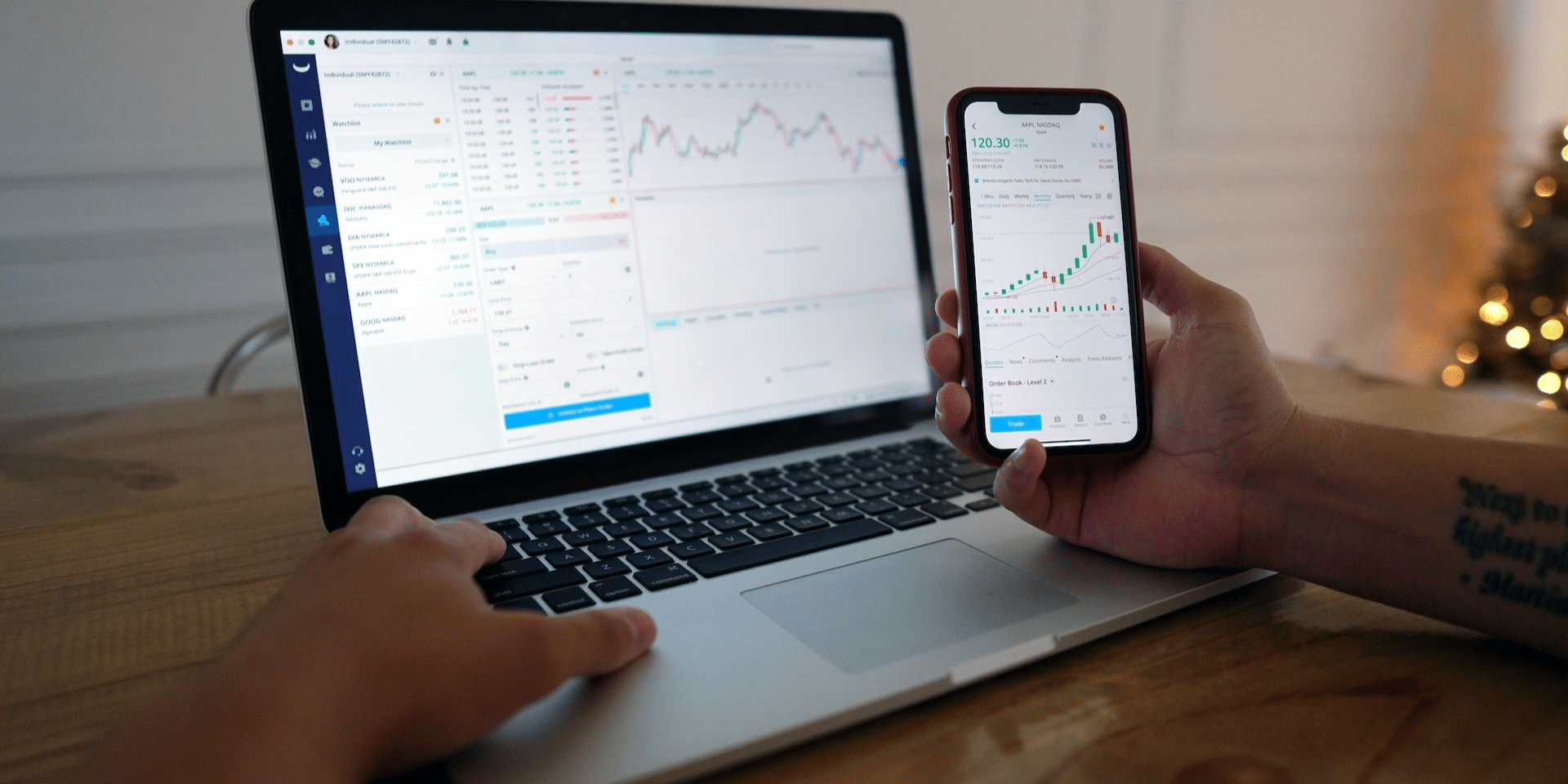
The global financial markets are currently experiencing a period of high volatility, largely driven by a downturn in the semiconductor industry. Technology stocks, which have been the primary engine of market growth for several years, are now exerting significant downward pressure on major equity benchmarks like the S&P 500 and the Nasdaq Composite. This shift highlights the growing influence of chipmakers on the broader economy and the sensitivity of these companies to changing global demands. The Power of the Chip Sector Semiconductors, often called “chips,” are the essential components found in everything from smartphones and cars to the massive servers that power Artificial Intelligence (AI). Because they are so important, the companies that design and manufacture them have become some of the most valuable in the world. In the current market, a small group of semiconductor firms holds an “outsized weight” in major stock indices. This means that when companies like Nvidia, TSMC, or ASML see their stock prices drop, the entire market index often follows. For investors, this creates a situation where the health of the entire stock market seems tied to the success of a single industry. Shifting Expectations for AI Infrastructure For much of 2024 and 2025,

Will AI Cause Job Losses Why Federal Reserve Leaders Disagree

Will AI Cause Job Losses? Why Federal Reserve Leaders Disagree

The U.S. Federal Reserve is currently debating a major topic: artificial intelligence. As 2026 progresses, officials are trying to figure out how this technology affects workers and interest rates. The discussion centers on whether AI will help the economy grow or cause people to lose their jobs. This divide between top leaders creates new questions for people waiting for interest rate cuts. AI Becomes a Main Part of Economic Policy Artificial intelligence is no longer just for tech companies. It is now a key factor in how the Federal Reserve, often called the Fed, thinks about the whole economy. Because AI can do tasks and change how companies hire, it affects prices, wages, and growth. Federal Reserve Governor Lisa Cook recently shared a careful view. She suggested that while AI might eventually make the economy better, the start could be hard for workers. In her recent remarks, Cook noted that artificial intelligence could bring “significant changes in the labor market.” She warned that these changes might include a short-term rise in unemployment as companies start using the new technology. Cook’s view focuses on the time it takes to change. In the past, new technology often created better jobs later but

Amazon Plans $12 Billion Data Center Expansion in Louisiana

Amazon Plans $12 Billion Data Center Expansion in Louisiana

Amazon is putting a serious amount of money into the Pelican State. The company recently shared plans for a $12 billion data center expansion in Northwest Louisiana, which is a massive win for the region. This project shows just how much big tech companies are willing to spend to keep up with the exploding demand for artificial intelligence and cloud computing. It is not just about servers and wires, it is about building the physical foundation that makes things like generative AI possible for everyone. Expanding the Digital Backbone in Northwest Louisiana This new project is centered in Caddo and Bossier Parishes. Amazon is not just building one building, instead, it is creating several interconnected campuses. These sites will help Amazon Web Services (AWS) handle the massive amounts of data that businesses and regular people use every day. Building these centers takes an incredible amount of money. To stay competitive in the cloud and AI market, companies have to build at a scale that was almost unthinkable a few years ago. Amazon has been clear that this infrastructure is what allows its customers to innovate and grow. Industry experts see this Louisiana project as a long-term play, ensuring that Amazon

Pax Silica How the US and India are Securing the Future of Artificial Intelligence

Pax Silica: How the US and India are Securing the Future of Artificial Intelligence

The air in New Delhi was thick with anticipation on February 20, 2026, as leaders from the world’s two largest democracies gathered for a moment that will likely define the next century of technology. At the AI Impact Summit, India officially joined the Pax Silica initiative. This is a bold plan led by the United States to protect the entire supply chain of artificial intelligence, from the minerals found deep in the earth to the sophisticated computer chips that power the latest digital assistants. For years, the world has relied on a global system where parts and materials were made wherever they were cheapest. But recent years have shown that this system is fragile. By joining Pax Silica, India and the United States are choosing to build a “trusted” network of partners. They want to ensure that the tools of the future are built and controlled by nations that value freedom and open markets. What exactly is Pax Silica? The name itself carries a heavy meaning. “Pax” is the Latin word for peace, while “Silica” refers to silicon, the primary material used to make the chips found in everything from smartphones to self-driving cars. In the past, people talked about

The Risks of Relying Too Much on Machines: Maintaining a Balance in Modern Society

The Risks of Relying Too Much on Machines: Maintaining a Balance in Modern Society

In 2026, it is almost impossible to imagine a day without machines. From the AI agents that curate our morning news to the autonomous logistics systems that deliver our groceries, technology is the invisible skeleton of modern society. While these advancements have brought unprecedented efficiency, they have also introduced a subtle, creeping risk: the erosion of human self-sufficiency. As we lean further into the digital “crutch,” the challenge of the decade is no longer just how to build better machines, but how to remain fundamentally human. The Trap of Automation Bias One of the most significant risks in the current era is automation bias—the tendency for humans to favor suggestions from automated systems, even when their own instincts or observations suggest the system is wrong. In high-stakes environments like medicine or aviation, this can be catastrophic. When a screen provides a data point, our brains are hardwired to seek the path of least resistance, often bypassing the critical verification steps that a human expert would normally take. As noted in a 2026 report by CMSWire: “The first letter in AI stands for ‘artificial.’ While AI can create efficiencies and reduce friction, it cannot replace the human touch. Humans must own

How Tablets Have Revolutionized Work: A Look at Their Convenience and Impact

How Tablets Have Revolutionized Work: A Look at Their Convenience and Impact

What Tablets Offer in a Work Setting Tablets are portable computing devices that combine touch-screen functionality with app-based tools. They support tasks such as note-taking, video conferencing, document editing, and scheduling. Their compact size and lightweight design make them practical for both mobile and stationary work. Unlike laptops, tablets often boot quickly and support stylus input. This helps with sketching, annotation, and handwriting. Many models also connect to keyboards or external monitors, allowing users to switch between casual and structured setups. Tablets support cloud access. Files, calendars, and communication tools can be synced across devices, helping users stay organized and responsive. This connectivity supports remote work, travel, and hybrid schedules. Battery life and app variety also contribute to convenience. Tablets often run for several hours without charging and support a wide range of professional tools. These features help reduce interruptions and support consistent output. The article How Tablets Help Workers Stay Productive Anywhere explores how portability and app integration support work across locations. These same features help individuals manage tasks with less friction and more flexibility. How Tablets Support Specific Work Functions Tablets support a range of work functions across industries and roles. Their adaptability helps users manage communication, planning,

Economic Fault Line Jamie Dimon's Stark Warning on Credit Card Rate Caps and Market Risk

Economic Fault Line: Jamie Dimon’s Stark Warning on Credit Card Rate Caps and Market Risk

At the World Economic Forum in Davos, JPMorgan Chase CEO Jamie Dimon delivered a blunt assessment of the economic implications of a proposed 10% cap on credit card interest rates — a policy being advanced by former U.S. President Donald Trump as part of a broader affordability and consumer-relief agenda. Dimon’s comments underscore deep tension between financial sector leaders and policymakers, and carry material implications for credit markets, consumer access to financing, and financial-sector equity valuations. “It Would Be An Economic Disaster” — Dimon’s Direct Assessment Speaking at Davos, Dimon did not mince words. According to Reuters coverage, he said of the proposed rate cap: “It would remove credit from 80% of Americans, and that is their back-up credit.” That blunt statement, delivered to an audience of global political and business leaders, crystallizes Wall Street’s core objection: price controls on unsecured lending could materially alter the credit-card ecosystem that supports not only consumer spending but also broader credit availability. Dimon later suggested a pilot test of the policy, proposing that federal regulators or lawmakers “force all the banks to do it in two states — Vermont and Massachusetts — and see what happens,” a remark that drew laughter from some